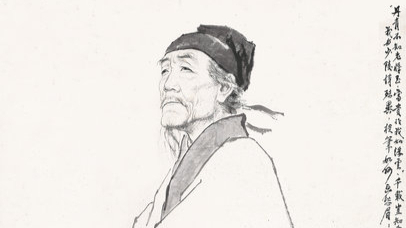
Jiang Zhaohe
Introduction
Jiang Zhaohe (1904-1986) was a prominent Chinese painter and one of the leading figures in modern Chinese art. Known for his distinctive approach to figure painting, Jiang's work vividly portrayed the lives of ordinary people, encapsulating their struggles and resilience amidst historical upheavals. His oeuvre is celebrated for integrating the formal precision of Western painting techniques with the subtle nuances of traditional Chinese ink painting, creating a unique style that resonates with powerful humanistic themes.
Jiang's paintings are characterized by a compassionate observation of society, often reflecting the social and cultural landscapes of 20th-century China. His ability to capture the emotional depth and dignity of his subjects has left a lasting impact on both the art community and the broader cultural consciousness.
Early Life and Education
Jiang Zhaohe was born in 1904 in Luxian, a small county in Sichuan province, China. At the age of 16, driven by a desire to explore and develop his artistic talents, Jiang left his hometown and moved to Shanghai, which was a burgeoning hub of economic and cultural activity at the time. The diverse and dynamic environment of Shanghai provided a rich backdrop for Jiang's artistic growth, nurturing his skills and exposing him to a wide array of artistic influences. Shanghai's vibrant cultural scenes, which were in pace with international trends in education, literature, arts, cinema, and theater, played a crucial role in shaping Jiang's artistic vision. This period of exploration and experimentation laid the foundation for Jiang's later achievements in figure painting. During this time, Jiang also pursued self-study in both Chinese and Western art forms, learning ink and oil painting, as well as sculpture. This diverse artistic education enabled him to develop a unique style that combined the best of both worlds, ultimately leading to his emergence as a pioneer in modern Chinese ink figure painting.
Artistic Career
Jiang Zhaohe's artistic career is distinguished by his innovative contributions to the field of figure painting, where he masterfully blended Chinese and Western artistic traditions. His work was deeply influenced by the historical and social contexts of his time, often reflecting the struggles and aspirations of ordinary people. Jiang's ability to convey the emotional and spiritual depth of his subjects set him apart as a leading figure in modern Chinese art.
Style and Influences
Jiang Zhaohe's style is characterized by a seamless integration of Western realism and Chinese brushwork. He was particularly adept at capturing the three-dimensional form and intricate details of his subjects, techniques he absorbed from Western art. At the same time, he maintained the fluidity and expressiveness inherent in traditional Chinese ink painting. This synthesis resulted in a distinctive style that was both innovative and deeply rooted in cultural tradition. His works often depicted scenes of everyday life, focusing on the human condition and the socio-political issues of his era. Jiang drew significant inspiration from the cultural and artistic landscape of Shanghai, as well as from notable figures such as Qi Baishi, who recognized and praised Jiang's talent for integrating different artistic approaches. His time in Shanghai during the 1920s was formative, as he engaged in various forms of art and design, including advertisements, fashion design, and photography. These experiences enriched his understanding of modern aesthetics and popular culture, which he later infused into his figure paintings.
Major Works
One of Jiang Zhaohe's most significant works is Refugees, an expansive ink painting completed in 1943. This piece is considered a landmark in Jiang's career and is celebrated for its poignant depiction of suffering and resilience during a tumultuous period in Chinese history. The painting, which portrays over 100 figures in a continuous scroll format, captures the plight of individuals affected by war and displacement. Its humanistic theme and technical brilliance have earned it a place among the iconic artworks of modern China. Another notable work is Jiang's portrayal of Ah Q, the protagonist of a novel by Lu Xun, which explores themes of struggle and perseverance. This painting, along with others like Du Fu, demonstrates Jiang's ability to convey complex emotions and societal concerns through his art. His work is characterized by a deep empathy for the common people, a trait that resonated with audiences and continues to inspire contemporary artists.
Legacy and Impact
Jiang Zhaohe's legacy lies in his profound impact on the field of modern Chinese art, particularly in the realm of figure painting. His innovative approach and commitment to depicting the human experience have left an indelible mark on the cultural landscape, influencing generations of artists and admirers.
Recognition and Awards
Throughout his lifetime, Jiang Zhaohe received numerous accolades for his contributions to art and culture. His works have been exhibited at prestigious venues, including the National Art Museum of China, and have been featured in various exhibitions celebrating Chinese art and heritage. Jiang's paintings are housed in prominent collections, both domestically and internationally, underscoring their enduring significance and appeal. His influence extends beyond his works, as he also played a pivotal role in educating and mentoring aspiring artists during his tenure as a professor at the Central Academy of Fine Arts. Jiang's dedication to nurturing young talent and promoting artistic excellence has further solidified his place in the annals of art history.
Influence on Contemporary Art
Jiang Zhaohe's influence on contemporary art is evident in the continued exploration of themes and techniques that he pioneered. His integration of Western realism with Chinese aesthetics has inspired artists to push the boundaries of traditional art forms, leading to new and innovative expressions in modern Chinese painting. Jiang's emphasis on portraying the dignity and resilience of ordinary people has also resonated with contemporary artists, who seek to address socio-political issues through their work. His legacy serves as a testament to the power of art as a tool for social change and cultural expression, and his contributions continue to inspire new generations of artists seeking to make their mark on the world.








